
Best weight loss supplements for women 60+: learn what evidence supports, safety risks, medication interactions, and products to avoid.
Losing weight after 60 can feel different from losing weight earlier in life. Changes in muscle mass, activity levels, appetite, metabolism, medications, sleep and other health factors can all affect body weight and body composition. That is one reason many women search for the best weight loss supplements for women 60+.
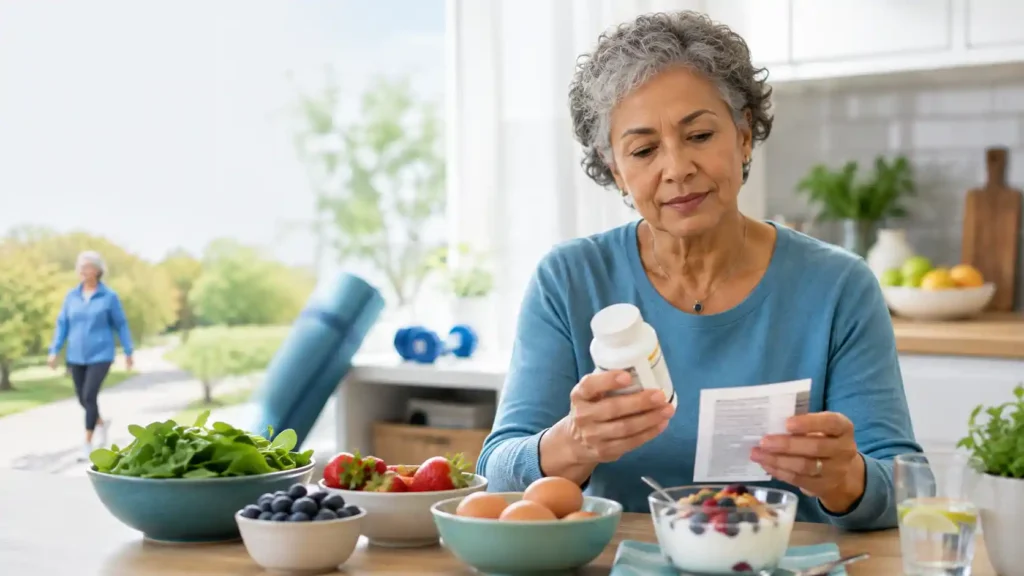
The important question, however, is not simply which supplement has the most impressive marketing. It is whether an ingredient has meaningful evidence behind it, whether it is appropriate for an older adult, and whether it could interact with medications or existing health conditions. The National Institutes of Health Office of Dietary Supplements says there is little scientific evidence that most dietary supplements marketed for weight loss actually work, and some can interact with medications or cause harm.
For women over 60, a safer approach is to evaluate supplements individually rather than assuming a product labeled “natural,” “fat burner,” or “metabolism booster” is effective or safe.
Important Note
Weight-loss supplements are heavily marketed to women, including women over 60, with claims about appetite control, fat burning and faster metabolism.
Many of these claims are not supported by strong human evidence. Some products can interact with medicines, and FDA has identified weight-loss products containing hidden drug ingredients.
Before taking a weight-loss supplement, look at the actual ingredient, quality of evidence, potential side effects, medication interactions and whether there is a legitimate reason to use it. Discuss supplements with a healthcare professional who knows your medical history.
Quick Answer
There is no single dietary supplement that can honestly be called the best weight loss supplement for every woman over 60. Most supplements marketed specifically for weight loss have limited evidence of meaningful benefit. Some ingredients, such as certain types of fiber or protein supplements, may have a useful role in an overall nutrition plan, but they should not be treated as magic weight-loss products. For women over 60, preserving muscle, eating a nutrient-dense diet, staying physically active and reviewing medications and health conditions with a healthcare professional may be more important than taking a “fat burner.”
Why Weight Loss Can Become More Difficult After 60
Weight changes with age are influenced by many factors.
The National Institute on Aging notes that metabolism can change as people get older, and some older adults may need to become more active or adjust calorie intake to maintain or achieve a healthy weight. At the same time, aging is associated with muscle loss, which can affect strength, mobility and daily activities.
For women, the years around and after menopause can also involve changes in body composition and fat distribution. However, these changes do not mean that every woman needs a supplement or that a particular supplement can reverse them.
Other factors can include:
- Reduced physical activity
- Loss of muscle mass
- Changes in appetite
- Sleep problems
- Certain medications
- Medical conditions
- Changes in eating habits
- Stress
- Reduced daily energy expenditure
This makes weight management after 60 more complicated than simply finding a pill that “burns fat.”
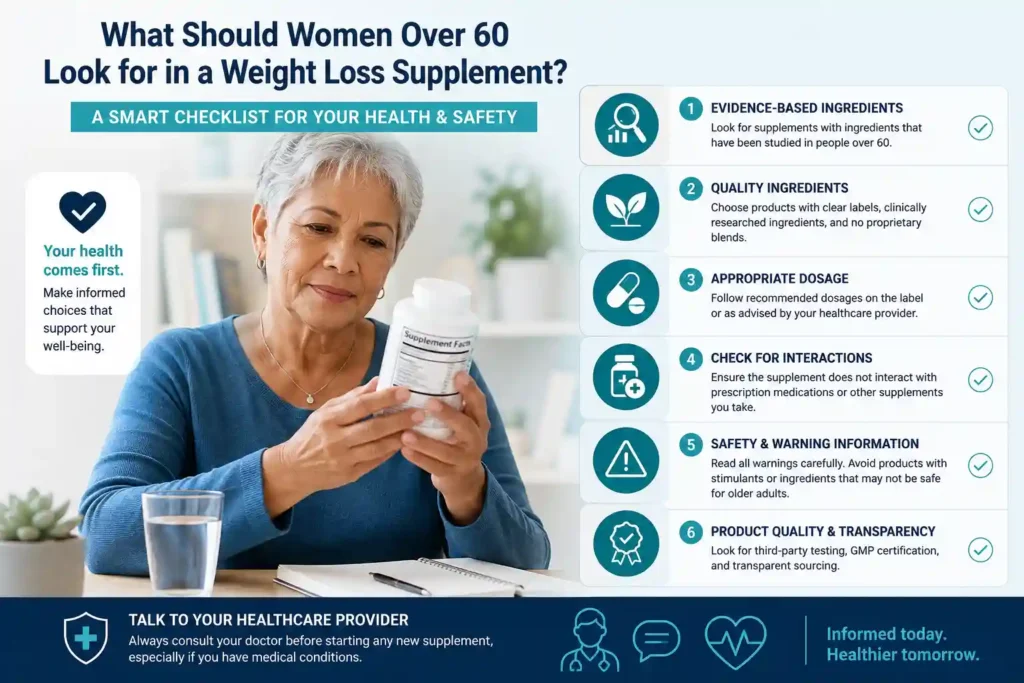
What Should Women Over 60 Look for in a Weight Loss Supplement?
If you are considering a supplement, evaluate it using several questions rather than its advertising claims.
👉 Explore Our Recommended Picks
1. Does the ingredient actually have human evidence?
A supplement may have impressive laboratory or animal research but little evidence that it produces meaningful weight loss in humans.
Human clinical studies are much more useful for determining whether an ingredient has a practical effect.
2. Is the expected benefit meaningful?
Even when a study finds a statistically significant effect, that does not necessarily mean the result is large enough to matter in everyday life.
A product that produces only a very small change may not justify its cost or potential risks.
3. Is it appropriate for your health situation?
A supplement that appears relatively safe for a healthy adult may not be appropriate for someone taking several medications or living with conditions such as high blood pressure, diabetes, kidney disease, liver disease or heart disease.
NIH specifically recommends discussing weight-loss supplements with a healthcare provider, particularly when medical conditions are present.
4. Can the ingredient interact with medications?
Dietary supplements can interact with prescription and over-the-counter medicines. NCCIH advises consumers to tell their healthcare providers about supplements they use so potential interactions can be considered. NCCIH
5. Can you verify what is actually in the product?
The label does not guarantee that a supplement contains exactly what consumers expect.
NCCIH notes that some supplements have been found to contain ingredients that are not listed on the label, while FDA has identified weight-loss products containing hidden prescription drugs or other potentially dangerous substances.
Supplements That May Have a Role in a Weight-Management Plan
The important distinction is that an ingredient can be nutritionally useful without being a proven “fat burner.
Fiber
Fiber can be useful for overall nutrition and may help some people feel fuller after eating.
Soluble fibers such as beta-glucans have been studied for effects on appetite and other metabolic outcomes. However, NIH’s Office of Dietary Supplements does not consider beta-glucans a proven weight-loss ingredient.
For many women, getting fiber from foods may be preferable to relying on a weight-loss supplement.
Good food sources include:
- Oats
- Beans
- Lentils
- Vegetables
- Fruits
- Whole grains
- Nuts
- Seeds
If a fiber supplement is being considered, increasing fiber gradually and drinking adequate fluids can help reduce digestive problems.
Women with certain digestive conditions or those taking medications should ask a healthcare professional or pharmacist whether a particular fiber supplement is appropriate.
Protein Supplements
Protein powder is not technically a weight-loss supplement simply because it contains protein.
However, protein can be useful when someone has difficulty obtaining enough protein from regular food.
This can matter for older adults because maintaining muscle is an important part of healthy aging. The National Institute on Aging recommends a variety of nutrient-dense protein foods for older adults, including seafood, eggs, beans, nuts, seeds, soy, lean meats and poultry. NNational Institute on Aging
A protein shake may be convenient, but it should not automatically replace balanced meals.
A woman who has kidney disease or another medical condition affecting protein intake should ask her healthcare professional about an appropriate amount.
Vitamin D
Vitamin D is important for bone health and other body functions, but it should not be promoted as a weight-loss supplement.
NIH’s Office of Dietary Supplements reports that vitamin D supplementation without calorie restriction has not been shown to promote weight loss or reduce fat mass.
That means taking vitamin D solely because you want to lose weight is not supported by the available evidence.
If a person has inadequate vitamin D intake or a documented deficiency, supplementation may have a different purpose. That is a nutritional or medical issue rather than a weight-loss strategy.
Calcium
Calcium is important for bones, muscles, nerves and other functions.
But calcium should not be marketed as a reliable fat-burning supplement.
NIH’s evidence review says clinical trials overall do not support calcium supplementation as a way to produce weight loss or prevent weight gain.
For women over 60, calcium intake may still matter for bone health. The appropriate amount should be considered in the context of dietary intake and individual health needs.
What About Green Tea Extract?
Green tea is frequently marketed as a weight-management ingredient.
That does not mean green tea extract is an effective solution for losing weight.
NCCIH states that green tea supplements have not been shown to produce meaningful weight loss, and NIH reviews describe the effects as very small or not clinically important.
There is also an important distinction between drinking green tea as a beverage and taking concentrated extracts.
A concentrated supplement can expose someone to substantially different amounts of active compounds than a normal serving of tea.
Women taking medications or managing medical conditions should discuss concentrated extracts with a healthcare professional before using them.
What About Caffeine and “Fat Burners”?
Many weight-loss products contain caffeine or caffeine-containing herbs.
Caffeine can affect alertness and energy expenditure, but that does not make a high-caffeine “fat burner” an appropriate choice for every older woman.
NCCIH warns that some weight-loss products contain substantial amounts of caffeine or caffeine-containing herbs such as guarana. High stimulant exposure can contribute to increased heart rate and abnormal heart rhythms in some circumstances.
Potential concerns may be especially relevant for someone who already experiences:
- Heart palpitations
- High blood pressure
- Anxiety
- Sleep problems
- Sensitivity to caffeine
- Medication interactions
More stimulant is not necessarily better.
Supplements That Deserve Extra Caution
Some ingredients and product categories are particularly poor choices when marketed as quick weight-loss solutions.
Bitter Orange
Bitter orange contains synephrine and is promoted for appetite suppression and increased calorie burning.
However, NCCIH says the evidence does not establish meaningful weight-loss benefits, while stimulant-related safety concerns exist.
Acai-Based Weight-Loss Products
Acai is often marketed as a “fat-burning” ingredient.
There is not convincing evidence that acai supplements produce meaningful weight loss. NCCIH specifically identifies acai among weight-loss supplements without adequate evidence of effectiveness.
Eating acai as part of a balanced diet is different from purchasing an acai product marketed as a weight-loss treatment.
Garcinia Cambogia
Garcinia cambogia has been widely promoted for weight management.
Research has produced conflicting results, and any potential effect appears small. NIH’s Office of Dietary Supplements does not consider the evidence strong enough to support it as a dependable weight-loss solution.
Chromium
Chromium is an essential mineral involved in glucose metabolism.
NIH notes that chromium might produce a very small reduction in body weight and body fat, but this is not the same as demonstrating a meaningful or reliable weight-loss benefit.
Taking larger amounts is also not automatically safer or more effective.
Carnitine
Carnitine is involved in energy metabolism and occurs naturally in foods.
Some studies suggest carnitine supplements might produce a small amount of weight loss, but the effect is not large enough to justify describing carnitine as a universal best supplement. NIH also lists gastrointestinal side effects associated with higher supplemental amounts.
Why “Natural” Does Not Automatically Mean Safe
One of the most important lessons for anyone shopping for supplements is:
Natural does not automatically mean safe.
Plants and other naturally occurring substances can have powerful biological effects.
NCCIH specifically warns that dietary supplements can interact with medications and that some supplements have safety concerns or contamination problems.
For example, a person may take medications for:
- Blood pressure
- Cholesterol
- Diabetes
- Thyroid conditions
- Heart disease
- Depression or anxiety
- Blood clot prevention
- Pain
- Sleep
Adding a supplement without checking for interactions can create unnecessary risk.
Why Women Over 60 Should Be Especially Careful
Age alone does not make supplements dangerous.
However, many older adults take multiple medications and may have more than one health condition. That increases the importance of checking for potential interactions.
The right question is therefore not:
“Is this supplement natural?”
A better question is:
“Is this particular ingredient appropriate for me, at this dose, considering my medications and health conditions?”
A doctor, pharmacist or other qualified healthcare professional can help answer that question.
Weight Loss After 60 Should Not Mean Losing Muscle
One of the biggest mistakes in weight management is focusing only on the number on the scale.
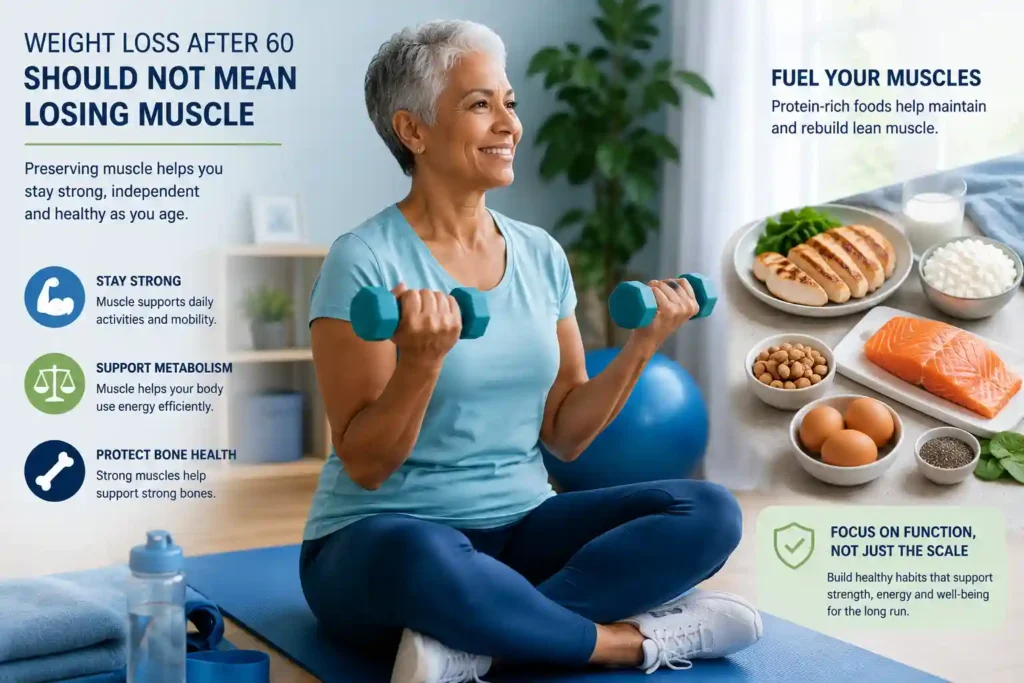
Older adults can lose muscle as they age. The National Institute on Aging notes that physical activity can help older adults maintain muscle mass and support independence. That means a successful weight-management strategy should consider:
- Muscle
- Strength
- Mobility
- Nutrition
- Physical activity
- Energy levels
- Overall health
A supplement that reduces appetite dramatically but makes it difficult to consume enough protein and nutrients may not be a good strategy.
What Can Be More Important Than a Weight-Loss Supplement?
A Nutrient-Dense Eating Pattern
A healthy eating pattern can provide protein, fiber, vitamins, minerals and other nutrients without relying on a “fat burner.”
The National Institute on Aging recommends a diet emphasizing nutrient-rich foods such as vegetables, fruits, whole grains, low-fat dairy and lean protein sources.
Regular Physical Activity
The NIA recommends that older adults aim for at least 150 minutes of moderate-intensity physical activity per week, while recognizing that individual abilities differ.
Activities can include:
- Walking
- Swimming
- Cycling
- Dancing
- Gardening
- Other enjoyable movement
Someone who has been inactive or has a medical condition should discuss a new exercise program with a healthcare professional.
Strength Training
Strength-focused activity can be particularly valuable for maintaining muscle and physical function as people age.
The goal does not have to be bodybuilding.
Simple resistance exercises appropriate to a person’s abilities can be part of an overall healthy-aging program.
Adequate Protein
Protein foods can support tissue maintenance and repair.
Useful options include:
- Fish
- Eggs
- Poultry
- Beans
- Lentils
- Soy
- Yogurt
- Nuts
- Seeds
A protein supplement may be convenient in some circumstances, but food remains an important source of nutrients.
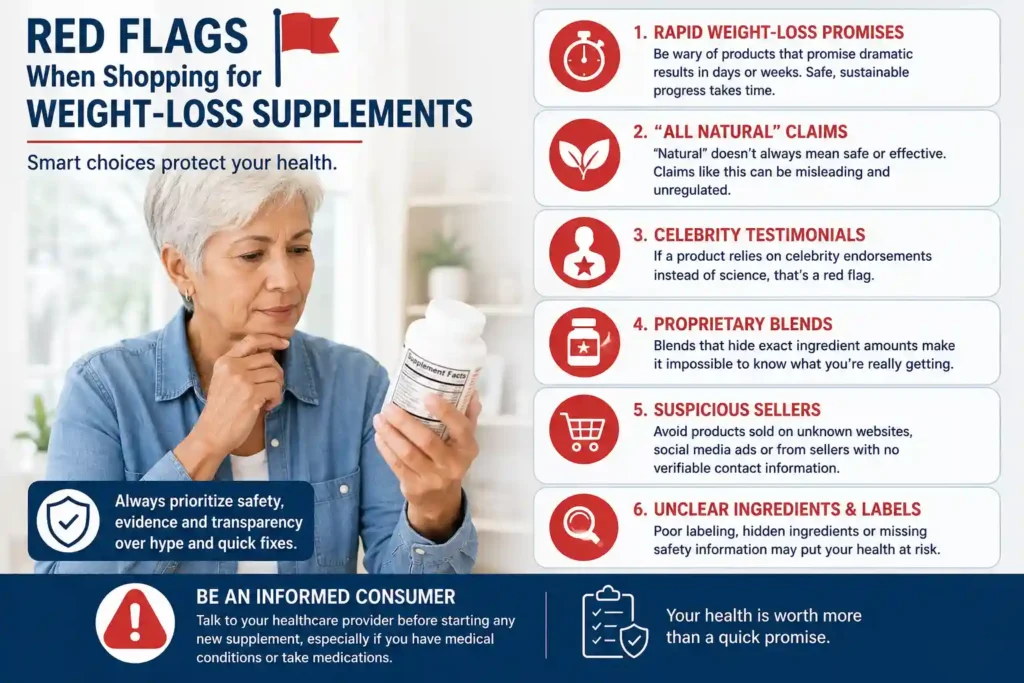
Red Flags When Shopping for Weight-Loss Supplements
Be particularly cautious when a product claims:
Lose Weight Without Diet or Exercise
This type of promise should immediately raise questions.
Rapid Weight Loss
Fast results are a common marketing tactic.
100% Natural and Completely Safe
No supplement is automatically safe simply because it is described as natural.
Clinically Proven” Without Providing Meaningful Evidence
Look beyond the phrase.
Ask:
- What study?
- How many people?
- Was it randomized?
- How long did it last?
- Was the product itself studied?
- Was the result clinically meaningful?
Celebrity Testimonials
A celebrity’s personal story is not equivalent to clinical evidence.
NCCIH specifically cautions consumers not to treat testimonials, anecdotes and unsupported opinions as objective evidence.
Proprietary Blends
A proprietary blend may make it difficult to understand exactly how much of each ingredient is present.
Suspicious Online Sellers
FDA maintains information about weight-loss products identified as containing hidden ingredients or presenting other safety concerns.
How to Check a Weight-Loss Supplement Before Buying It
Use this simple checklist.
Step 1: Identify Every Active Ingredient
Do not evaluate a product based only on its front label.
Read the Supplement Facts panel.
Step 2: Research Each Ingredient Separately
Look for evidence from NIH, NCCIH, FDA, peer-reviewed research and recognized medical organizations.
Step 3: Check the Dose
An ingredient can have different effects depending on the amount.
Do not assume that a larger dose produces greater weight loss.
Step 4: Review Medication Interactions
Ask a pharmacist or healthcare professional to review the complete list of medicines and supplements you take.
Step 5: Look for Safety Alerts
Search official FDA information for the product or ingredient when appropriate.
Step 6: Question Dramatic Claims
If the product promises effortless or unusually rapid weight loss, step back before purchasing it.
Can Women Over 60 Take More Than One Supplement?
Taking several supplements does not necessarily make a weight-management plan better.
In fact, combining products can make it harder to identify:
- Which ingredient is causing a side effect
- Which product is interacting with a medication
- How much of a particular nutrient or stimulant you are actually consuming
This is particularly important when multiple products contain overlapping ingredients.
Before combining supplements, review the entire list with a healthcare professional or pharmacist.
Supplements vs. FDA-Approved Weight-Loss Medications
Dietary supplements and medications are not the same thing.
FDA regulates dietary supplements differently from prescription and over-the-counter drugs. NCCIH notes that the FDA does not review dietary supplements for safety and effectiveness before they are marketed in the same way it reviews drugs.
Some people may be appropriate candidates for evidence-based medical treatment for obesity or overweight with associated health risks.
That is a separate discussion from choosing a dietary supplement.
If weight is affecting health, a healthcare professional can assess:
- BMI and body composition
- Medical conditions
- Current medications
- Nutrition
- Physical activity
- Weight history
- Individual goals
- Whether medical treatment is appropriate
Do not substitute a supplement for medical treatment that has been recommended for a health condition.
A Practical Weight-Loss Checklist for Women 60+
Before buying a supplement, ask:
- What exactly am I hoping this product will accomplish?
- Is there good human evidence for the ingredient?
- How large is the expected benefit?
- Could it interact with my medications?
- Do I have a condition that could make it unsafe?
- Is the product from a reputable manufacturer?
- Does the label clearly identify its ingredients and amounts?
- Does it make unrealistic promises?
- Am I buying it because of evidence or because of advertising?
- Could I address the underlying goal through food, physical activity or professional guidance?
If several answers raise concerns, the product may not be worth taking.
When Should You Talk With a Healthcare Professional?
Discuss your weight-management plans with a healthcare professional if you:
- Take prescription medications
- Take several supplements
- Have diabetes
- Have high blood pressure
- Have heart disease
- Have liver disease
- Have kidney disease
- Have significant digestive problems
- Have experienced unexplained weight changes
- Are losing weight unintentionally
- Are considering a high-dose supplement
- Are considering multiple weight-loss products
- Are unsure whether your weight is appropriate for your health situation
The National Institute on Aging advises older adults to talk with their doctor before trying to lose or gain weight because healthy weight ranges and individual circumstances can differ with age.
Frequently Asked Questions
What is the best weight loss supplement for women over 60?
There is no single supplement proven to be the best choice for every woman over 60. Most dietary supplements marketed specifically for weight loss have limited evidence of meaningful effectiveness. The safest choice depends on the ingredient, medical history, medications, nutritional needs and individual goals.
Are weight-loss supplements safe after age 60?
Some supplements may be appropriate for certain people, but safety cannot be determined from age or the word “natural” alone. Supplements can have side effects, interact with medications and, in some cases, contain undeclared ingredients. Women over 60 should consider discussing weight-loss supplements with a healthcare professional.
Do fat burners work for older women?
There is not strong evidence that typical “fat burner” supplements produce meaningful, reliable weight loss. Some contain stimulants or multiple ingredients that have not been adequately studied for safety
Is green tea extract good for weight loss?
Green tea and green tea extracts have been studied for weight management, but current evidence does not show meaningful weight loss from green tea supplements. Concentrated extracts should also be considered separately from ordinary tea because the exposure can differ.
Can fiber supplements help with weight management?
Fiber can contribute to a healthy eating pattern and may help with fullness, depending on the type and individual response. However, not every fiber supplement has been shown to cause meaningful weight loss. Getting fiber from nutrient-rich foods is generally an important part of a balanced diet.
Should women over 60 use protein powder for weight loss?
Protein powder is not a weight-loss drug. It can be a convenient way to add protein when dietary intake is inadequate, but whether it is appropriate depends on the person’s overall diet and health. Older adults should generally include a variety of nutrient-dense protein foods.
Are natural weight-loss supplements safer?
Not necessarily. “Natural” does not mean safe or effective. Supplements can cause side effects, interact with medicines and sometimes contain undeclared ingredients.
What weight-loss supplements should women over 60 avoid?
There is no universal list that applies to every woman, but products making dramatic promises, products containing multiple stimulants, suspicious online products and products with unclear ingredients deserve particular caution. FDA has identified weight-loss products containing hidden ingredients that can pose serious health risks.
Can supplements interact with prescription medications?
Yes. Some dietary supplements can interact with prescription or over-the-counter medicines. Anyone taking medications should tell their healthcare professionals about all supplements they use.
Should I talk to my doctor before taking a weight-loss supplement?
Yes, particularly if you take medications or have conditions such as diabetes, high blood pressure, heart disease, liver disease or kidney disease. NIH specifically recommends discussing weight-loss supplements with a healthcare provider.
Conclusion
The search for the best weight loss supplements for women 60+ can easily lead to products promising much more than science can support.
The evidence does not identify one dietary supplement that is reliably effective and appropriate for every woman over 60. Many popular weight-loss ingredients have limited, mixed or insignificant evidence, while some products can cause side effects or interact with medications. FDA has also identified weight-loss products containing hidden ingredients, making product quality and source particularly important.
A better approach is to look beyond the label and ask what the evidence actually shows.
For many women, the foundation of healthy weight management is more likely to involve a nutrient-dense eating pattern, appropriate physical activity, muscle preservation, adequate nutrition and individualized medical guidance rather than a “fat-burning” supplement. The National Institute on Aging emphasizes healthy eating and physical activity as important parts of maintaining a healthy weight as people age.
If you are considering a supplement, review the ingredient, evidence, dose, potential interactions and your own health circumstances before taking it.
Disclaimer
This article is intended for general educational and informational purposes only. It is not a substitute for individualized medical advice, diagnosis or treatment.Health needs vary from person to person, particularly with age, medications and existing medical conditions. Before starting a dietary supplement for weight management, speak with a qualified healthcare professional or pharmacist who can consider your personal medical history and medications.
Also Read More –CitrusBurn Review 2026: Ingredients, Safety, Side Effects, Pricing & Expert Verdict