Discover the best high protein foods for weight loss, including chicken, fish, eggs, Greek yogurt, beans, lentils, tofu and other healthy choices.
High Protein Foods for Weight Loss
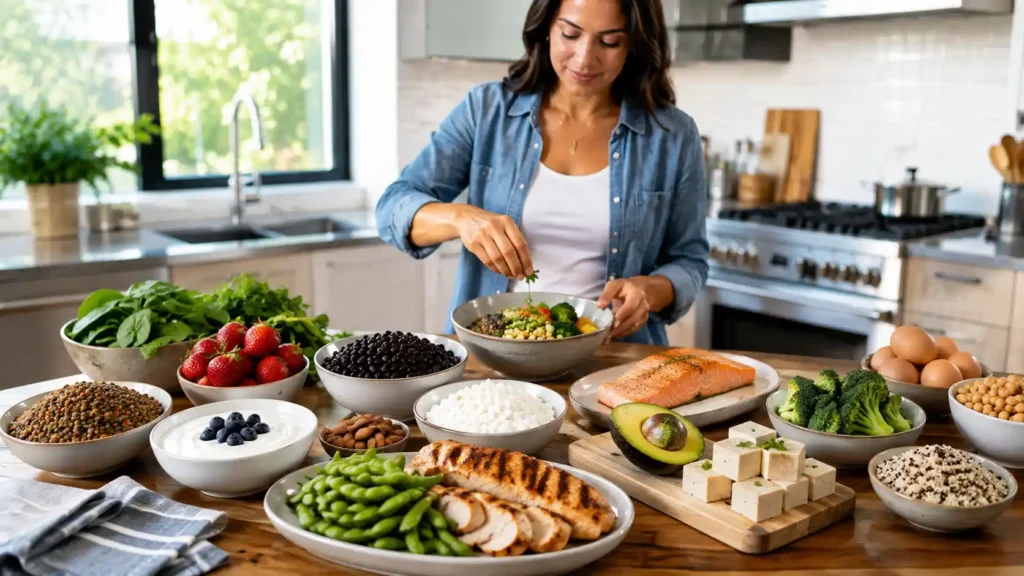
If you’re trying to lose weight, adding protein-rich foods to your meals can be a practical way to build more satisfying meals. Good choices include chicken, turkey, fish, eggs, Greek yogurt, cottage cheese, beans, lentils, tofu, and edamame.
But protein isn’t a magic weight-loss nutrient. Weight loss still depends largely on overall energy balance, and eating excessive amounts of protein can add calories rather than automatically causing fat loss. Mayo Clinic notes that protein-rich foods may help with fullness and preserving lean muscle, but protein shakes and extra protein aren’t a guaranteed weight-loss solution.
The best approach is to choose nutrient-dense protein sources and combine them with vegetables, fruits, whole grains, and other healthy foods.
How Can High-Protein Foods Help With Weight Loss?
Protein can be useful during weight loss for several reasons.
Protein can help with fullness
Protein-rich meals may help you feel satisfied after eating. This can make it easier for some people to manage portions and avoid frequent snacking. Research summarized by health organizations suggests that protein can influence appetite and satiety.
Protein supports muscle
When you’re losing weight, maintaining muscle is important. Getting adequate protein is one part of supporting lean tissue, particularly when combined with resistance training.
Protein alone, however, isn’t enough to guarantee muscle preservation.
Protein foods can replace less nutritious choices
Replacing a highly processed snack with something such as Greek yogurt, eggs, cottage cheese, or edamame can provide more protein and nutrients in a similar eating occasion.
Protein still contains calories
This point is easy to overlook.
Eating more protein doesn’t automatically mean eating fewer calories. Protein contains calories, so adding protein shakes, bars, cheese, or large portions of meat on top of your normal diet can actually increase total calorie intake.
15 Best High-Protein Foods for Weight Loss
1. Chicken Breast
Skinless chicken breast is one of the easiest lean protein sources to use in a weight-loss meal.
It’s versatile and can be:
- Grilled
- Baked
- Roasted
- Added to salads
- Used in grain bowls
- Added to soups
A 3-ounce cooked serving provides roughly 27 grams of protein, although the exact amount varies with preparation and the specific product.
For weight management, preparation matters. Grilled or baked chicken will generally be easier to fit into a calorie-conscious meal than heavily breaded or fried chicken.
2. Turkey Breast
Turkey breast is another lean protein option.
It works well in:
- Sandwiches
- Wraps
- Salads
- Chili
- Grain bowls
- Meal-prep dishes
When buying deli turkey, check the Nutrition Facts label because sodium levels can vary considerably between products.
Whole turkey breast or minimally processed turkey can be a useful choice when practical.
3. Greek Yogurt
Plain Greek yogurt can provide substantial protein in a convenient serving.
It’s useful for:
- Breakfast
- Snacks
- Smoothies
- Overnight oats
- Fruit bowls
Try combining plain Greek yogurt with berries and a small portion of nuts for a balanced snack.
Choosing plain yogurt can also make it easier to control added sugars.
4. Eggs
Eggs are an affordable and versatile source of protein.
One large egg provides about 6 grams of protein.
You can use eggs in:
- Omelets
- Scrambles
- Breakfast sandwiches
- Salads
- Grain bowls
- Hard-boiled snacks
Pair eggs with vegetables and a high-fiber carbohydrate such as whole-grain toast for a more complete meal.
5. Salmon
Salmon provides protein along with omega-3 fatty acids.
It can be:
- Baked
- Broiled
- Grilled
- Added to salads
- Served with vegetables and whole grains
Salmon is more calorie-dense than very lean fish because it contains more fat, but that doesn’t make it a bad weight-loss food.
Portion size and the overall meal still matter.
6. Tuna
Canned tuna can be an inexpensive, convenient protein source.
Try it in:
- Salads
- Whole-grain sandwiches
- Lettuce wraps
- Grain bowls
For a lighter tuna salad, combine tuna with Greek yogurt, mustard, vegetables, or a moderate amount of mayonnaise.
If you eat canned tuna regularly, pay attention to mercury guidance and choose varieties appropriately.
7. Shrimp
Shrimp provides substantial protein for relatively few calories.
It can be added to:
- Stir-fries
- Salads
- Tacos
- Rice bowls
- Vegetable dishes
Avoid assuming that shrimp is automatically low-calorie once it’s prepared with large amounts of butter, creamy sauces, or breading.
8. Cottage Cheese
Cottage cheese is a convenient protein-rich food that can work for either sweet or savory meals.
Try it with:
- Berries
- Peaches
- Tomatoes
- Cucumber
- Whole-grain crackers
Lower-fat varieties can provide a substantial amount of protein while keeping calories more moderate, although nutrition varies by product.
9. Lentils
Lentils are one of the strongest plant-based choices for a weight-loss diet because they provide both protein and fiber.
Use them in:
- Soups
- Salads
- Curries
- Grain bowls
- Vegetarian chili
Unlike many animal protein sources, lentils also contribute meaningful dietary fiber.
The current Dietary Guidelines for Americans, 2025–2030 emphasize whole, nutrient-dense foods and place beans, peas, and lentils prominently among protein-food choices.
10. Black Beans
Black beans are another affordable combination of protein and fiber.
They can be added to:
- Tacos
- Burrito bowls
- Salads
- Chili
- Soups
- Rice dishes
Using beans as part of a meal can make it easier to increase protein and fiber without relying entirely on meat.
11. Edamame
Edamame, or immature soybeans, is a convenient plant-based protein source.
You can eat it as:
- A snack
- A salad topping
- A side dish
- A stir-fry ingredient
- Part of a grain bowl
It’s particularly useful for people who want more plant-based protein without relying exclusively on protein powders.
12. Tofu
Tofu is a versatile soy-based protein.
It can absorb the flavor of marinades and sauces and works well in:
- Stir-fries
- Curries
- Grain bowls
- Soups
- Salads
For a weight-conscious meal, pair tofu with plenty of vegetables and a reasonable portion of rice or another whole grain.
13. Lean Beef
Lean cuts of beef can fit into a healthy weight-loss diet.
Choose leaner options when possible, such as:
- Sirloin
- Eye of round
- Top round
- Lean ground beef
Beef provides protein and nutrients such as iron and vitamin B12.
However, weight loss doesn’t require eating beef at every meal, and current federal dietary guidance places emphasis on whole, nutrient-dense foods while encouraging healthier protein patterns.
14. Low-Fat Milk
Milk can contribute protein along with nutrients such as calcium and vitamin D.
It can be used:
- With oatmeal
- In smoothies
- With whole-grain cereal
- As a beverage with meals
If you’re watching calories, comparing low-fat or fat-free options can be useful.
15. Tempeh
Tempeh is a fermented soy food that provides plant-based protein.
It works well in:
- Stir-fries
- Sandwiches
- Grain bowls
- Salads
- Wraps
It’s another option for people who want to reduce their reliance on animal-based protein.
High-Protein Foods at a Glance
| Food | Approximate protein* | Useful for |
| Chicken breast | ~27 g / 3 oz | Lean meals |
| Turkey breast | ~25 g / 3 oz | Meal prep |
| Greek yogurt | ~17 g / 6 oz | Breakfast/snacks |
| Salmon | ~19 g / 3 oz | Protein + healthy fats |
| Tuna | ~20 g / 3 oz | Quick meals |
| Cottage cheese | ~14 g / ½ cup | Snacks |
| Lentils | ~18 g / cup cooked | Plant protein + fiber |
| Edamame | ~17 g / cup | Plant-based meals |
| Eggs | ~6 g / large egg | Breakfast |
| Tofu | ~10 g / 3.5 oz | Meatless meals |
*Protein amounts are approximate and vary by brand, variety, serving size, and preparation. They should not be treated as universal laboratory values.
Best High-Protein Foods for Weight Loss on a Budget
You don’t need expensive protein products to eat a high-protein diet.
Budget-friendly options include:
Eggs
Inexpensive, versatile, and easy to prepare.
Dry or canned beans
Useful for soups, chili, tacos, and bowls.
Lentils
A low-cost source of both protein and fiber.
Canned tuna
Convenient and shelf-stable.
Plain Greek yogurt
Can serve as breakfast, a snack, or a cooking ingredient.
Chicken
Buying larger packages and preparing meals at home can sometimes reduce the cost per serving.
Tofu
A relatively inexpensive plant-based protein for stir-fries and bowls.
Best High-Protein Breakfast Foods
A protein-rich breakfast doesn’t need to be complicated.
Option 1
Eggs + vegetables + whole-grain toast
Option 2
Plain Greek yogurt + berries + nuts
Option 3
Oatmeal + Greek yogurt + fruit
Option 4
Cottage cheese + berries + whole-grain toast
Option 5
Tofu scramble + vegetables
The objective isn’t to maximize protein at breakfast at all costs. It’s to create a balanced meal that keeps you satisfied and fits your overall diet.
Best High-Protein Snacks for Weight Loss
If you’re hungry between meals, consider:
- Greek yogurt
- Cottage cheese
- Hard-boiled eggs
- Edamame
- Tuna with whole-grain crackers
- Apple with a modest portion of peanut butter
- Roasted chickpeas
- Low-fat cheese with fruit
Remember that nuts, seeds, cheese, and nut butters can be nutritious but calorie-dense. Portion size matters when weight loss is the goal.
Best Plant-Based High-Protein Foods
You don’t need meat to consume protein.
Useful plant-based choices include:
- Lentils
- Black beans
- Chickpeas
- Edamame
- Tofu
- Tempeh
- Peas
- Soy milk
- Nuts
- Seeds
The 2025 Dietary Guidelines emphasize nutrient-dense protein foods and highlight beans, peas, lentils, nuts, seeds, and soy products among protein-food choices.
Plant proteins can also provide fiber and other nutrients that are less abundant in many animal-based foods.
High-Protein Foods That Are Low in Calories
If your primary goal is managing calorie intake while getting plenty of protein, useful options include:
- Skinless chicken breast
- Turkey breast
- White fish
- Shrimp
- Tuna packed in water
- Nonfat or low-fat Greek yogurt
- Low-fat cottage cheese
- Egg whites
- Tofu
- Lentils
But don’t interpret “low calorie” as “eat unlimited amounts.”
Total calorie intake still matters.
Are High-Protein Foods Enough to Lose Weight?
No.
Protein-rich foods can support a healthy weight-loss diet, but eating more protein by itself doesn’t guarantee weight loss.
You still need an overall eating pattern that fits your energy needs.
For example:
Helpful change:
Replacing a high-calorie snack with Greek yogurt and berries.
Potentially unhelpful change:
Eating your usual meals and adding a high-calorie protein shake on top.
Mayo Clinic specifically cautions that consuming too much protein can make weight loss more difficult because protein itself provides calories.
Do High-Protein Foods Burn Fat?
No single high-protein food directly “burns belly fat.”
Protein has a higher thermic effect than carbohydrates and fat, meaning the body uses energy to digest and process it. Protein may also support satiety and lean-mass maintenance.
But these effects shouldn’t be exaggerated into claims that a particular food melts body fat.
The overall diet, calorie balance, physical activity, sleep, and other factors matter.
How Much Protein Do You Need for Weight Loss?
There isn’t one protein target that applies to every adult trying to lose weight.
Protein requirements can vary with:
- Body size
- Age
- Activity level
- Health status
- Pregnancy or breastfeeding
- Training goals
- Total calorie intake
The basic adult Recommended Dietary Allowance for protein is 0.8 grams per kilogram of body weight per day, although needs can differ depending on circumstances.
People who are physically active or trying to preserve muscle during weight loss may have different needs.
Rather than automatically adopting an extremely high-protein diet, consider your individual needs and discuss them with a registered dietitian or healthcare professional if you’re unsure.
Should You Eat Protein at Every Meal?
For many people, including a protein source at meals can be a simple strategy for building balanced meals.
For example:
Breakfast: Eggs + vegetables
Lunch: Chicken + salad + whole grains
Dinner: Salmon + vegetables + potatoes
You don’t need to obsessively hit the same amount of protein at every meal.
Consistency across the day matters more than making every meal identical.
High Protein Does Not Mean Low Carb
You don’t have to eliminate carbohydrates to eat more protein.
A balanced meal can contain:
Protein + vegetables + whole grains + healthy fats
For example:
Salmon + broccoli + brown rice + avocado
Whole grains, beans, potatoes, fruit, and other carbohydrate-containing foods can all fit into a healthy eating pattern.
The current Dietary Guidelines emphasize whole, nutrient-dense foods across multiple food groups rather than eliminating an entire macronutrient category.
What About Protein Shakes?
Protein shakes can be convenient, particularly when someone has difficulty getting enough protein from food.
But they’re not required for weight loss.
Mayo Clinic notes that protein shakes aren’t a magic weight-loss solution and that whole foods provide benefits that can be missed when shakes replace too many meals.
A shake may be useful when:
- You’re short on time
- You have difficulty eating enough protein
- You need a convenient post-workout option
- A healthcare professional has recommended additional protein
But check the label for:
- Calories
- Added sugars
- Protein amount
- Serving size
- Saturated fat
- Sodium
What High-Protein Foods Should You Limit?
“High protein” doesn’t automatically mean “healthy.”
Some protein-rich foods can be high in saturated fat, sodium, or calories.
Consider limiting your intake of:
- Processed meats
- Large portions of fatty meats
- Highly processed protein snacks
- Sugary protein bars
- High-calorie shakes
- Fried protein foods
This doesn’t mean you can never eat them.
It means they shouldn’t automatically be considered superior simply because they contain protein.
The current U.S. Dietary Guidelines emphasize whole, nutrient-dense foods and recommend reducing highly processed foods.
How to Build a High-Protein Weight-Loss Meal
Use this simple formula:
1. Pick a protein
Choose:
- Chicken
- Fish
- Eggs
- Greek yogurt
- Beans
- Lentils
- Tofu
2. Add vegetables
Try:
- Broccoli
- Spinach
- Peppers
- Carrots
- Tomatoes
- Green beans
3. Add a high-fiber carbohydrate
Examples:
- Brown rice
- Oats
- Potatoes
- Quinoa
- Whole-grain bread
- Beans
4. Add an appropriate amount of healthy fat
Examples:
- Avocado
- Olive oil
- Nuts
- Seeds
This approach gives you a balanced meal instead of turning every meal into a protein-only meal.
7 Easy High-Protein Meal Ideas
1. Chicken Bowl
Chicken + brown rice + broccoli + salsa.
2. Greek Yogurt Bowl
Plain Greek yogurt + berries + chia seeds.
3. Salmon Dinner
Salmon + roasted vegetables + baked potato.
4. Lentil Bowl
Lentils + quinoa + mixed vegetables.
5. Egg Breakfast
Eggs + spinach + whole-grain toast + fruit.
6. Tofu Stir-Fry
Tofu + mixed vegetables + brown rice.
7. Tuna Lunch
Tuna + whole-grain bread + lettuce + tomato + fruit.
These are examples rather than individualized meal plans.
Common Mistakes When Eating More Protein for Weight Loss
Mistake 1: Adding protein without reducing anything else
A protein shake contains calories.
So does a protein bar.
So does cheese.
Adding these foods without considering your total intake may work against your calorie goal.
Mistake 2: Choosing processed meat because it is high in protein
Protein content isn’t the only nutritional factor.
Consider sodium, saturated fat, processing, and overall dietary quality.
Mistake 3: Ignoring fiber
A high-protein diet can still be low in fiber if it relies heavily on meat, cheese, and shakes.
Include vegetables, fruits, beans, lentils, and whole grains.
Mistake 4: Eliminating carbohydrates unnecessarily
You can eat protein-rich foods while still enjoying whole grains, fruit, potatoes, and other carbohydrates.
Mistake 5: Thinking more protein is always better
Once your nutritional needs are met, simply increasing protein further doesn’t guarantee additional weight-loss benefits.
The best high-protein foods for weight loss are not necessarily the foods with the most protein.
They’re foods that provide protein while fitting into a balanced, sustainable eating pattern.
Good choices include:
- Chicken breast
- Turkey
- Fish
- Shrimp
- Eggs
- Greek yogurt
- Cottage cheese
- Lentils
- Beans
- Edamame
- Tofu
- Tempeh
- Lean beef
Combine these foods with vegetables, fruits, whole grains, and appropriate portions of healthy fats.
Most importantly, don’t confuse high protein with automatic weight loss. Protein can be a useful part of a weight-management strategy, but overall calorie intake and dietary quality still matter.
Frequently Asked Questions
What are the best high-protein foods for weight loss?
Chicken breast, turkey, fish, Greek yogurt, eggs, cottage cheese, lentils, beans, tofu, and edamame are useful protein-rich choices. The best option depends on your dietary preferences, nutritional needs, budget, and overall eating pattern.
What protein food is lowest in calories?
Very lean options such as skinless poultry, some white fish, shrimp, tuna packed in water, egg whites, and low-fat Greek yogurt can provide substantial protein with relatively few calories.
Can protein help you lose belly fat?
Protein can support overall weight management, but no particular protein food specifically targets belly fat. Losing body fat generally requires an overall calorie deficit.
Is chicken good for weight loss?
Yes. Skinless chicken breast is a lean protein source that can fit easily into calorie-conscious meals. Preparation and portion size still matter.
Are eggs good for weight loss?
Eggs can be part of a healthy weight-loss diet. They provide protein and are versatile, but the ingredients added during cooking can substantially change the calorie content.
Are beans good for weight loss?
Yes. Beans provide protein and fiber, making them particularly useful for building filling plant-based meals.
Is Greek yogurt good for weight loss?
Plain Greek yogurt can be a convenient protein-rich food. Check the nutrition label because flavored varieties may contain more added sugar.
Can vegetarians get enough protein for weight loss?
Yes. Vegetarian protein sources include beans, lentils, tofu, tempeh, edamame, Greek yogurt, cottage cheese, eggs, nuts, seeds, and other foods.
Should I drink protein shakes to lose weight?
Not necessarily. Protein shakes can be convenient, but they aren’t required for weight loss and still contain calories. Whole protein-rich foods can provide protein along with other nutrients.
How much protein should I eat to lose weight?
There is no single target for every person. Protein needs depend on factors such as body size, age, activity level, health status, and goals. If you’re unsure about your individual requirement, consult a registered dietitian or healthcare professional.
Is a high-protein diet safe for everyone?
Not necessarily. People with certain medical conditions, particularly some kidney conditions, may need individualized dietary advice. Speak with a healthcare professional before substantially increasing protein intake if you have a medical condition or take medications.
Can I eat carbs and still follow a high-protein diet?
Yes. A balanced diet can include protein, carbohydrates, and fats. Whole grains, fruits, vegetables, beans, and potatoes can all fit into a healthy eating pattern.
Friendly Summary
High-protein foods for weight loss include lean poultry, fish, eggs, Greek yogurt, cottage cheese, beans, lentils, tofu, edamame, and other nutrient-dense protein sources. Protein may help with fullness and support lean tissue during weight loss, but eating more protein does not automatically cause weight loss. The most useful approach is to include appropriate portions of protein as part of an overall calorie-conscious, nutrient-dense eating pattern. The 2025–2030 Dietary Guidelines for Americans emphasize whole, nutrient-dense foods, including protein foods, vegetables, fruits, whole grains, and healthy fats.
Medical Disclaimer
This article provides general educational information and is not individualized medical advice. Protein requirements vary by person. If you have kidney disease or another medical condition, are pregnant or breastfeeding, are under 18, take medications, or have a history of an eating disorder, consult an appropriate healthcare professional before making major dietary changes.
Also Read – Food Analyzer App: How to Check Food Ingredients and Nutrition Labels